
The world of ‘Squid Game’ is riddled with dark twists and mind-bending theories that have captivated fans across the globe.
From hidden messages to character backstories that change everything, these theories will have you questioning everything you thought you knew about the show. Get ready to see ‘Squid Game’ from a whole new perspective as we uncover 10 theories that might just blow your mind.
1. The Games are a Form of Social Darwinism

One of the most chilling theories suggests that the games are a twisted representation of social Darwinism, where only the strongest survive. This theory highlights how the players’ desperation and moral compromises are a commentary on society’s harsh realities.
Fans point to the characters’ backgrounds and motivations as evidence that the show reflects real-world societal pressures, where survival often means sacrificing one’s humanity. The concept of competition at all costs resonates deeply, making viewers reflect on their own lives and choices.
2. The Front Man’s True Identity

Speculation abounds regarding the identity of the enigmatic Front Man, the overseer of the games. Some fans theorize that he is actually a former contestant or has a personal connection to one of the players, which could explain his cold demeanor.
Hints throughout the series suggest that his backstory is intertwined with those he controls, adding layers of complexity to the narrative. This theory intertwines with the show’s themes of betrayal and revenge, making every scene with the Front Man a potential revelation waiting to unfold.
3. The Role of the VIPs: An Elite Commentary

The VIPs in ‘Squid Game’ represent the wealthy elite who profit from the suffering of others. This theory suggests that their indulgent behavior is a direct critique of societal inequalities and the moral decay of the rich.
Their grotesque enjoyment of the games raises questions about morality and the lengths to which people will go for entertainment. By analyzing their interactions, fans uncover layers of societal critique that echo real-world issues of class disparity and exploitation.
4. The Connection Between the Games and Childhood

Many theories revolve around the games’ design, which draws heavily from childhood games and nursery rhymes. This connection serves to highlight the loss of innocence experienced by the characters as they navigate the brutal challenges.
Fans argue that the juxtaposition of playful themes with violent outcomes showcases the harshness of adult life and the loss of carefree joy. Each game becomes a haunting reminder of the characters’ childhoods, amplifying the emotional stakes of their survival.
5. Ali’s Sacrifice: A Strategic Move?

Ali’s selfless act of sacrifice in the series has sparked theories about whether it was a calculated move rather than pure altruism. Some fans believe that his decision was motivated by a desire to manipulate the dynamics of the game and create alliances.
This theory suggests that characters are not merely victims but strategic players in their own right, complicating our understanding of loyalty and betrayal. It raises questions about the true nature of friendship in dire situations and challenges viewers to reconsider their perceptions of trust.
6. The Role of the Numbered Tags

The characters’ numbered tags hold a deeper significance than just identification; they represent their value in the eyes of the game organizers. Each number symbolizes not just a player but a story, a life, and a hierarchy among participants.
The progression of numbers throughout the series hints at how those who survive gain a twisted sense of importance while the others are discarded. This theory prompts viewers to consider how society often assigns value to individuals based on superficial metrics.
7. The Games as a Form of Capitalism
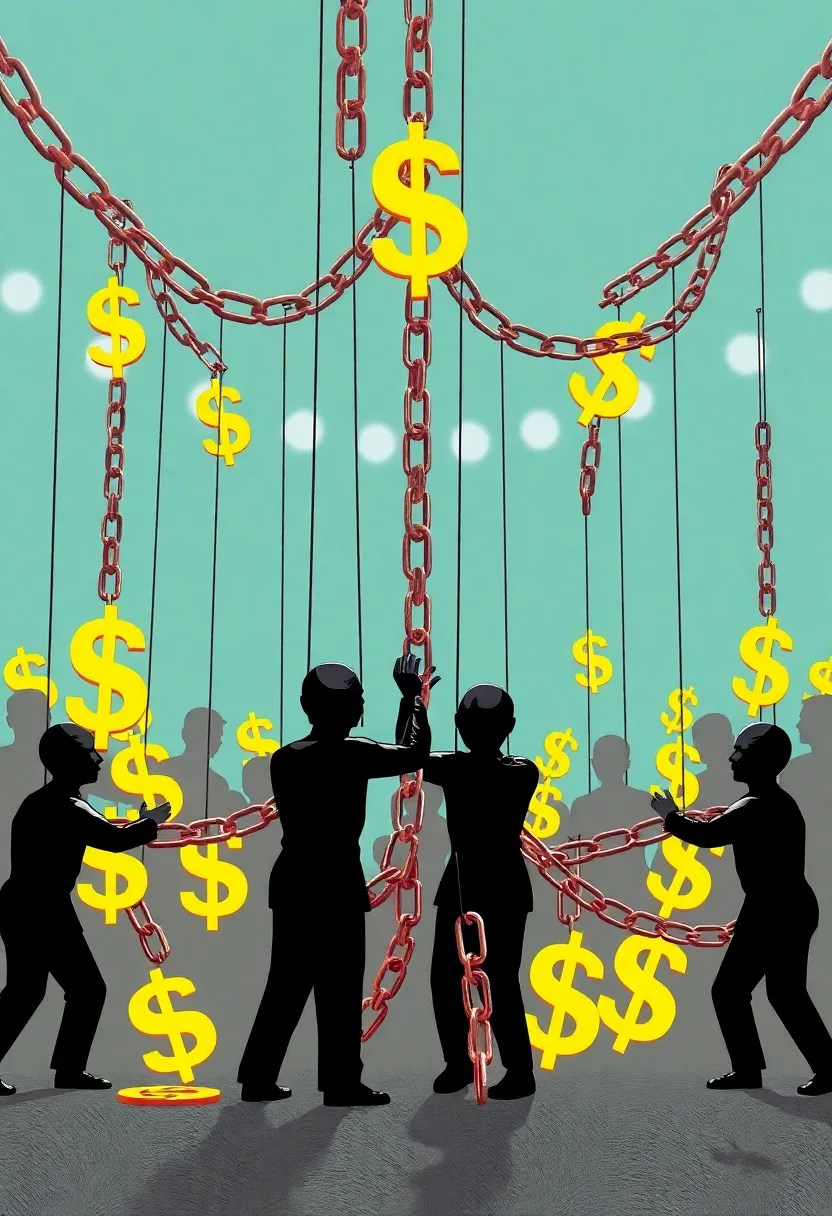
A thought-provoking theory posits that the games are a metaphor for capitalism, highlighting the cutthroat nature of competition in society. The players, each desperate for money, represent how financial struggles can lead individuals to compromise their values.
This theory invites viewers to reflect on their own experiences with capitalism and the moral dilemmas it can create. The show serves as a disturbing reminder of the lengths people will go to secure financial stability, often at the expense of their humanity.
8. The Power of the Doll: A Symbol of Control

The giant doll in ‘Red Light, Green Light’ has become an iconic symbol of control and surveillance. This theory suggests that the doll embodies the authoritarian nature of the games, watching over players with an unyielding gaze.
The juxtaposition of childhood innocence with the doll’s menacing role raises questions about power dynamics and the loss of autonomy. Its presence in the game serves as a constant reminder of the players’ vulnerability and the oppressive nature of their circumstances.
9. The True Purpose of the Games

Some fans speculate that the ultimate purpose of the games goes beyond mere entertainment; it serves as a social experiment to study human behavior under extreme pressure. This theory aligns with the show’s themes of morality and ethics, challenging viewers to consider what they would do in similar situations.
The implications of this theory raise ethical questions about the nature of entertainment and the voyeuristic tendencies of society. It invites discussions about the morality of watching others suffer for amusement.
10. The Finale: A Cycle of Repetition

Theories surrounding the finale suggest that the cycle of the games is destined to repeat, reflecting the inescapable nature of societal issues. The ending leaves viewers questioning whether true escape from the cycle is possible or if the characters are trapped in a never-ending loop of despair.
This theory resonates with the show’s commentary on systemic problems and the difficulty of breaking free from societal constraints. It prompts viewers to reflect on their own lives and the cycles they may find themselves in.
Conclusion
These mind-blowing theories surrounding ‘Squid Game’ not only enhance our understanding of the series but also challenge us to reflect on the deeper societal issues it presents.
As we navigate the thrilling twists and turns of the show, these theories invite us to engage in meaningful discussions about morality, society, and human behavior. Which theory resonates with you the most? Share your thoughts and interpretations!
 FILMYPSYCHO